A Lottery Syndicate as a Gift: How UK Syndicates Work and How to Give a Share
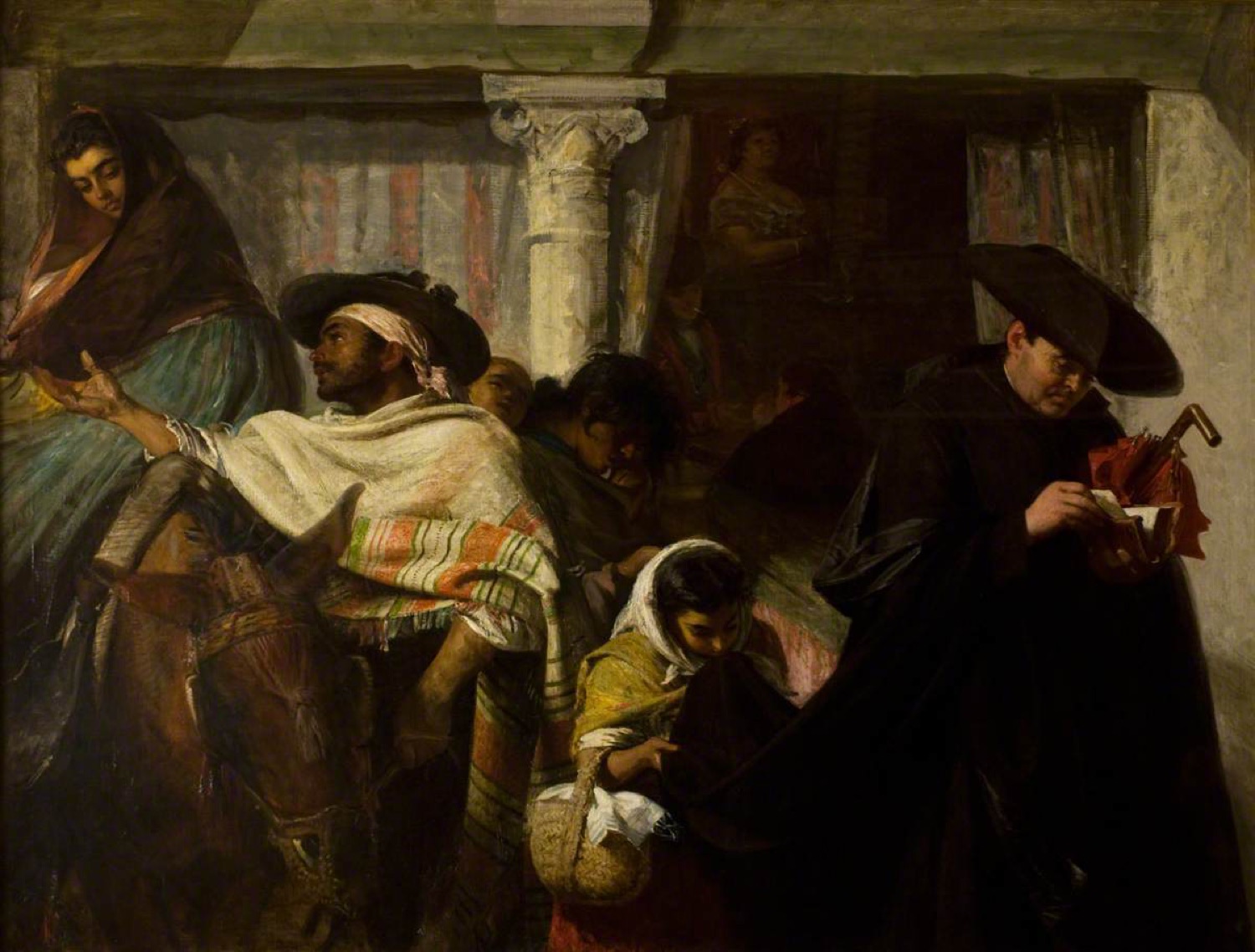
The National Lottery, Buying the Tickets: a nineteenth-century painting of a Spanish lottery scene by John Phillip. Photo: John Phillip, Public domain, via Wikimedia Commons.
- Department: Luck & Play
- Published: 13 May 2026
- Reading time: 4 minutes
How UK National Lottery syndicates work, how to write a syndicate agreement, giving a share as a present, minimum age, claiming prizes, tax and the odds explained.
"What would you do if you won the lottery?" is a question almost every group of friends, family or colleagues has asked. A syndicate lets them ask it together every week, and a share in one, wrapped up with a personalised certificate, is a gift that comes with a little thrill twice a week.
The National Lottery in brief
The UK National Lottery began in November 1994. It was run by Camelot for its first three decades, and since February 2024 it has been operated by Allwyn under the fourth licence, regulated by the Gambling Commission. A share of the money from every ticket goes to good causes, from sport and heritage to the arts and community projects.
The main draw-based games include Lotto (choose six numbers from 1 to 59), EuroMillions (five main numbers and two Lucky Stars, drawn with other European countries), Set For Life (a top prize paid monthly for thirty years) and Thunderball. Prices, draw days and prize structures do change from time to time, so check the official National Lottery website for the current details before you set up a syndicate.
The minimum age to play every National Lottery game, including scratchcards and online instant-win games, is eighteen; it was raised from sixteen in 2021. That rules out syndicate shares as gifts for teenagers.
What is a syndicate?
A syndicate is simply a group of people who pool their money to buy more lines than any of them would alone, and share any prizes. Families, workplaces, pubs and groups of friends all run them. Your chance of winning per pound spent does not change, but you get more lines in each draw and much more fun out of a small win shared round the office.
Write a syndicate agreement
The single most important thing a syndicate needs is a written agreement, signed by every member. The National Lottery has long published a template syndicate agreement on its website, and it is worth using. It should cover:
- who the members are and who the manager is;
- which games and how many lines are played, and on which draws;
- how much each member pays, when, and how;
- how prizes are shared (usually equally among paid-up members);
- what happens to small prizes (paid out, or reinvested in extra lines);
- what happens if a member misses a payment, leaves or joins;
- who claims prizes and how quickly they will be shared out.
The agreement protects friendships, and it can also matter for tax. Lottery prizes are tax-free in the UK, but when one person collects a big prize and hands it out, a written agreement made before the win helps show that the money always belonged to the members, rather than being a large gift from the manager.
Online, paper tickets and claiming
If the syndicate plays online, tickets are tied to the manager's National Lottery account and prizes are paid to that account holder, who then shares them out. If it plays with paper tickets from a shop, the manager should keep them safe, record the lines (a photograph of every ticket on the group chat works well) and sign the back. Prizes generally must be claimed within 180 days of the draw.
How to give a share as a gift
- A year in the family syndicate: pay the recipient's contribution for twelve months and give them a personalised certificate with their name and the syndicate's "lucky numbers".
- A Christmas or birthday draw: buy a share in a one-off syndicate for a special draw, inspired by the Spanish Christmas lottery tradition described in our Christmas guide.
- A paper ticket in the card: buy a ticket in a shop and leave the back unsigned so the recipient can sign it as their own.
- A starter kit for new colleagues: a laminated agreement, a list of the syndicate's numbers and a printed mug.
The odds, honestly
The odds of winning a lottery jackpot are very long; for Lotto, picking six numbers from 59, they are about 1 in 45 million per line. Every combination is equally likely, including 1, 2, 3, 4, 5, 6. Popular choices such as birthdays only use numbers up to 31, which makes a shared jackpot more likely if they do come up (see our note on lucky numbers). The value of a syndicate is in the anticipation and the shared stories, so set a small, affordable weekly contribution and enjoy it as entertainment.
If you like the idea of a prize draw but would rather the money itself stayed safe, look at our guide to Premium Bonds as a gift; and for the workplace rules on running a group lottery, see gift etiquette and budgets.
Related Guides
Premium Bonds as a Gift
Luck & Play
Engraved Hip Flasks and the Racecourse
Luck & Play

Las Vegas or Monte Carlo
Luck & Play

Gifts for Golfers Who Like a Flutter
Luck & Play
Thumbnail photos via Wikimedia Commons: Money box shaped like ERNIE the Computer (Science Museum, London) (Geni, CC BY-SA 4.0); Hip Flask 7985 (Ashley Pomeroy, CC BY-SA 4.0); Las Vegas Strip at night, 2012 (Clément Bardot, CC BY-SA 3.0); Golf ball on tee (Stefanschenkon, CC0).